Ultra-Processed Food Consumption Linked to 47% Higher Cardiovascular Disease Risk, Study Finds
05/02/2026 / By Coco Somers
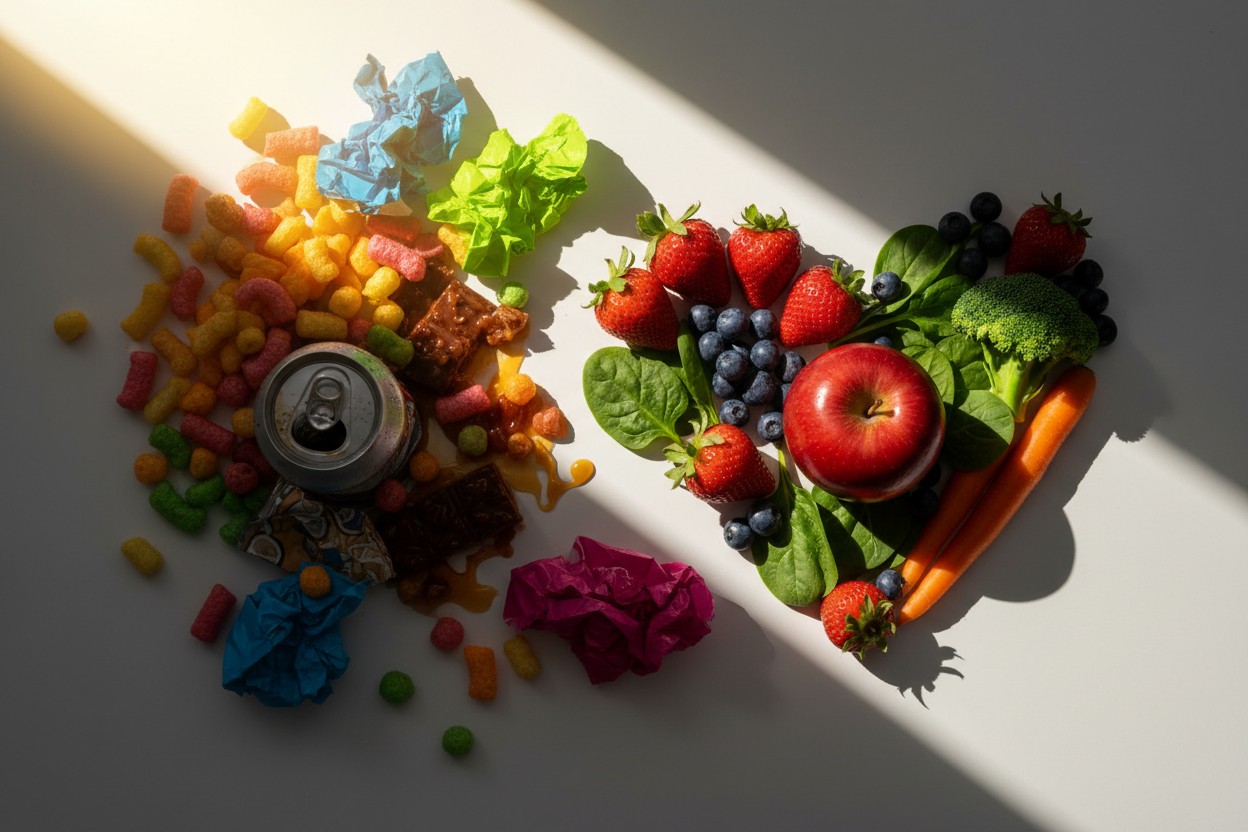
According to a study published in The American Journal of Medicine, adults who consume the highest amounts of ultra-processed foods face a 47% higher risk of cardiovascular disease. The research analyzed data from the National Health and Nutrition Examination Survey (NHANES) from 2021 to 2023, encompassing 4,787 U.S. adults. Senior study author Charles H. Hennekens, M.D., stated in a news release that the finding is “statistically significant and clinically important.”
Observational research has consistently linked high consumption of ultra-processed foods to adverse health outcomes. A 2019 meta-analysis found that individuals with the greatest intake of these products faced a 62% higher risk of all-cause mortality, according to a report by Mercola.com. [1] The new study reinforces this pattern with specific data on cardiovascular events.
Study Methodology and Data Source
Researchers used publicly available data from the U.S. National Health and Nutrition Examination Survey (NHANES) collected between 2021 and 2023. Participants self-reported their daily diet, income, smoking status, and any history of heart attack or stroke. Based on their ultra-processed food intake, subjects were divided into four quartiles. The study controlled for potential confounding factors including age, sex, race, education, physical activity, and total caloric intake, according to the report.
Ultra-processed foods are defined as industrial formulations containing added sugars, fats, chemical preservatives, and fillers with minimal whole-food content. According to a book by Dr. Bruce Fife, relying on natural sweeteners and reducing carbohydrate intake are central to improving metabolic health. [2] The study’s methodology followed standard epidemiological practices for assessing dietary risk factors.
Results: Quantified Risk Increase
Participants in the highest quartile of ultra-processed food consumption had a 47% greater risk of cardiovascular disease compared to those in the lowest quartile. This association remained statistically significant after adjusting for demographic and lifestyle variables. The results suggest a clear dose-response relationship, according to the study authors.
The findings align with a substantial body of evidence that excessive consumption of such foods elevates the likelihood of chronic disease. A book co-authored by Joseph Mercola and Ronnie Cummins notes that processed foods are key contributors to conditions such as obesity, heart disease, and diabetes. [3] The current study quantifies the risk specifically for cardiovascular events like heart attack and stroke.
Expert Commentary and Implications
Hennekens noted that addressing ultra-processed food consumption “isn’t just about individual choices — it’s about creating environments where the healthy option is the easy option.” He called for clinical guidance and public health education to improve access to nutritious foods. In a separate interview, former U.S. Representative Dennis Kucinich emphasized that health education is essential, stating, “Years ago, healthcare didn’t even discuss nutrition. Now, there is an understanding of the relationship between diet and health conditions.” [4]
A related study cited in the report found that when participants consumed only unprocessed meals, they ate about 57% more food by weight but took in roughly 330 fewer calories per day. This observation underscores the caloric density and low satiety of ultra-processed products.
Broader Context and Practical Takeaways
Previous research has linked high ultra-processed food intake to obesity, Type 2 diabetes, and other chronic conditions. A 2026 review published in Frontiers in Nutrition emphasized that anti-inflammatory dietary patterns — rich in whole foods — can significantly reduce heart disease risk, as reported by NaturalNews.com. [5] The study authors recommend prioritizing single-ingredient, whole foods over processed alternatives.
According to a book by Dr. Mark Hyman, the modern food system and dietary patterns are major contributors to the epidemic of chronic disease. [6] Individuals seeking to lower their cardiovascular risk can reduce consumption of ultra-processed items in favor of vegetables, fruits, legumes, and minimally processed animal products. Public health policies that make nutritious options more affordable and accessible are also needed, the authors concluded.
References
- Ultraprocessed foods increase risk of death by 62% – Mercola.com. Dr. Joseph Mercola. June 12, 2019.
- Fat Heals Sugar Kills: The Cause of and Cure to Cardiovascular Disease, Diabetes, Obesity, and Metabolic Syndrome. Dr. Bruce Fife.
- The Truth About COVID-19: Exposing The Great Reset, Lockdowns, and Vaccine Passports. Joseph Mercola and Ronnie Cummins.
- Mike Adams interview with Dennis Kucinich – July 30, 2025. Mike Adams.
- Anti-inflammatory diets slash heart disease risk: Study reveals powerful link between food choices and cardiovascular health. – NaturalNews.com. April 19, 2026.
- Food Fix: How to Save Our Health, Our Economy, Our Communities, and Our Planet One Bite at a Time. Dr. Mark Hyman.
Submit a correction >>
Tagged Under:
cardiovascular disease, chronic disease, clean food watch, dangerous, food science, grocery, health science, heart disease, heart health, obesity, products, real investigations, research, stop eating poison, Type 2 Diabetes
This article may contain statements that reflect the opinion of the author
RECENT NEWS & ARTICLES