The hidden powers of cinnamon: From ancient medicine to modern health
04/04/2026 / By Belle Carter
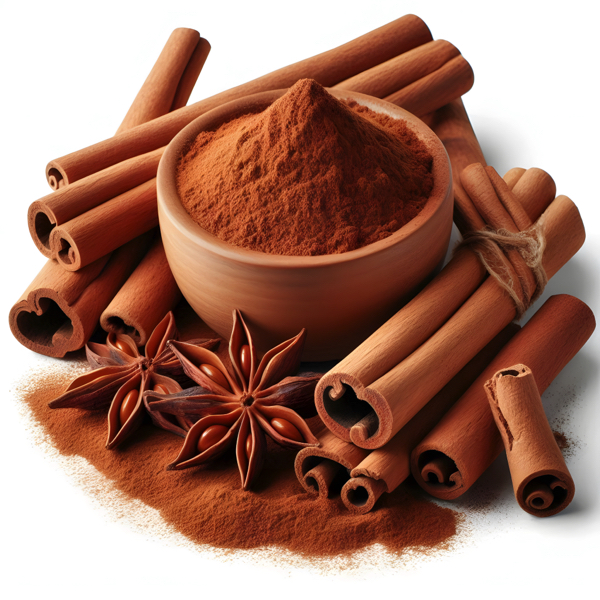
- Cinnamon has been valued since ancient times for its flavor, medicinal properties (antimicrobial, anti-inflammatory, blood sugar-balancing) and even use in embalming and wound care.
- Surprising uses: Air purification – used during the bubonic plague to “clean” air (though ineffective against fleas, it has legitimate antimicrobial properties) and first aid, effective for minor cuts, stops bleeding, fights bacteria and promotes wound healing via collagen stimulation.
- Some cinnamon products have been recalled for dangerous lead levels, posing risks, especially to children and pregnant women—due to soil absorption over the tree’s 10-year growth cycle.
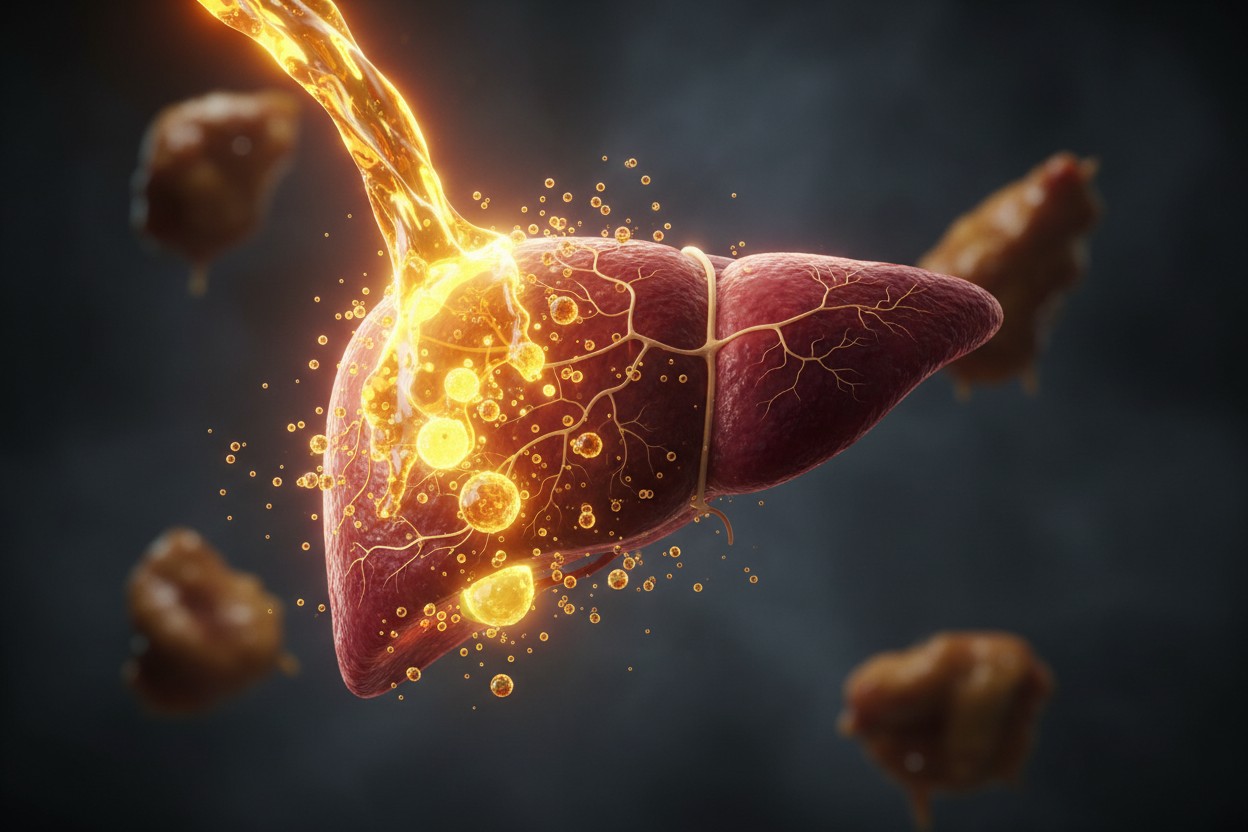
- Cassia (common in the U.S.) is high in coumarin, which can harm the liver with prolonged use. Ceylon (“true cinnamon”) is safer for daily consumption, with minimal coumarin and a milder taste.
- A versatile, ancient remedy – best used in organic, lead-tested Ceylon form to maximize benefits while minimizing risks.
For millennia, cinnamon has been prized not just for its warm, aromatic flavor but also for its medicinal properties. From ancient Egypt to medieval Europe and modern kitchens, this humble spice has played a surprising role in health, hygiene and even wound care.
But not all cinnamon is created equal – some varieties may carry hidden risks, while others offer unique benefits.
Two thousand years ago, Roman scholar Pliny the Elder noted that cinnamon was more valuable than silver or gold. The ancient Egyptians used it in embalming, while Greeks believed it could cure ailments from lethargy to coughs. Today, cinnamon remains a staple in kitchens worldwide – but its uses extend far beyond flavoring oatmeal and coffee.
Modern research confirms what traditional healers long suspected: cinnamon has antimicrobial, anti-inflammatory and blood sugar-balancing properties. Yet, despite its widespread use, many people are unaware of its full potential or its potential risks.
Cinnamon’s surprising uses
1. An ancient air purifier
During the bubonic plague, wealthy Europeans scattered cinnamon, cloves and fennel on windowsills, believing the spices would purify the air. Physicians wore plague masks stuffed with aromatic herbs—including cinnamon – to filter “bad air.”
While we now know the plague was spread by fleas, not miasma, cinnamon does have legitimate antimicrobial properties. Clinical herbalist Ashley Elenbaas recalls her father simmering cinnamon sticks with cloves and cardamom in winter: “Not only did it make a beautiful smell… but it also fumigates the air and keeps it clean.”
2. A natural first-aid remedy
Herbalist Geo Derick Giordano recommends cinnamon for minor cuts: “Sprinkle cinnamon on bleeding wounds – it stops bleeding and is antimicrobial.” A 2025 study in ScienceDirect found that cinnamon promotes wound healing by reducing inflammation, fighting bacteria and stimulating collagen production.
3. The lead contamination risk
In 2023, a major recall exposed dangerous lead levels in some cinnamon products. Consumer Reports later tested 36 brands and found 12 exceeding New York’s safety threshold of one part per million (ppm). Lead exposure is especially harmful to children and pregnant women, raising concerns about long-term consumption of contaminated cinnamon.
Experts advise checking brands for lead content before purchasing. Cinnamon trees absorb lead from soil over their 10-year growth cycle, making contamination a persistent issue.
Cassia vs. Ceylon: Why the type matters
Not all cinnamon is the same:
Ceylon (“true cinnamon”) is lighter, sweeter and contains minimal coumarin, a compound that can harm the liver in high doses.
Cassia (common in U.S. stores) is darker, spicier and packed with coumarin – potentially unsafe for daily use.
For regular consumption, Ceylon is the safer choice.
A timeless remedy with modern relevance
Cinnamon remains one of the most versatile spices in history—capable of flavoring food, healing wounds and even cleaning the air. Yet, as with any powerful remedy, caution is necessary. Choosing organic, lead-tested Ceylon cinnamon ensures maximum benefits with minimal risk.
So next time you reach for that spice jar, remember: Cinnamon isn’t just for baking – it’s a centuries-old medicine hiding in plain sight.
Watch the video below that talks about the 10 health benefits of cinnamon.
This video is from the Natural Cures channel on Brighteon.com.
Sources include:
Submit a correction >>
Tagged Under:
Antimicrobial, cassia, Ceylon, cinnamon, food is medicine, Herbal, Herbs, Lead contamination, natural cures, natural health, natural remedies, spice, Spices
This article may contain statements that reflect the opinion of the author
RECENT NEWS & ARTICLES